How a critical enquiry can be drawn out from iterative experimentation.
MAGCD Y1 U1 2026–27
Chosen Tool:
Oil Pastel Monoprint
I had wanted to try monoprint for a long time. I found that oilpastel monoprint could produce a wide range of visual effects. Many of the examples I found had a soft, fuzzy texture that I really liked.
Getting started
weekI
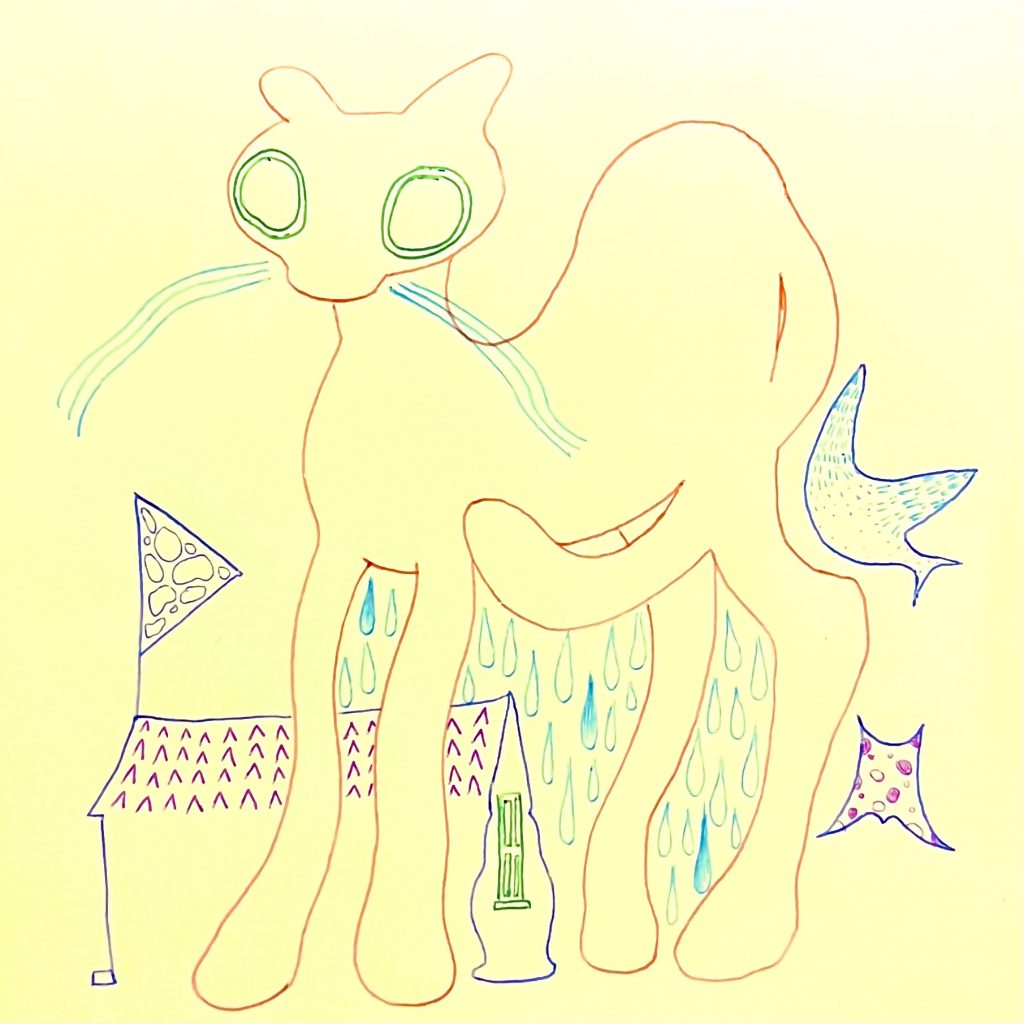
Reference Artist: WRen_
I was attracted to its loose and spontaneous style. The drawing feels cute, lively and almost dreamlike, with lines that seem to move freely across the page.I also liked its childlike quality. The lines look slightly clumsy in a charming way. This gives the illustration a playful, innocent feeling, almost like a fragment of a childhood dream.
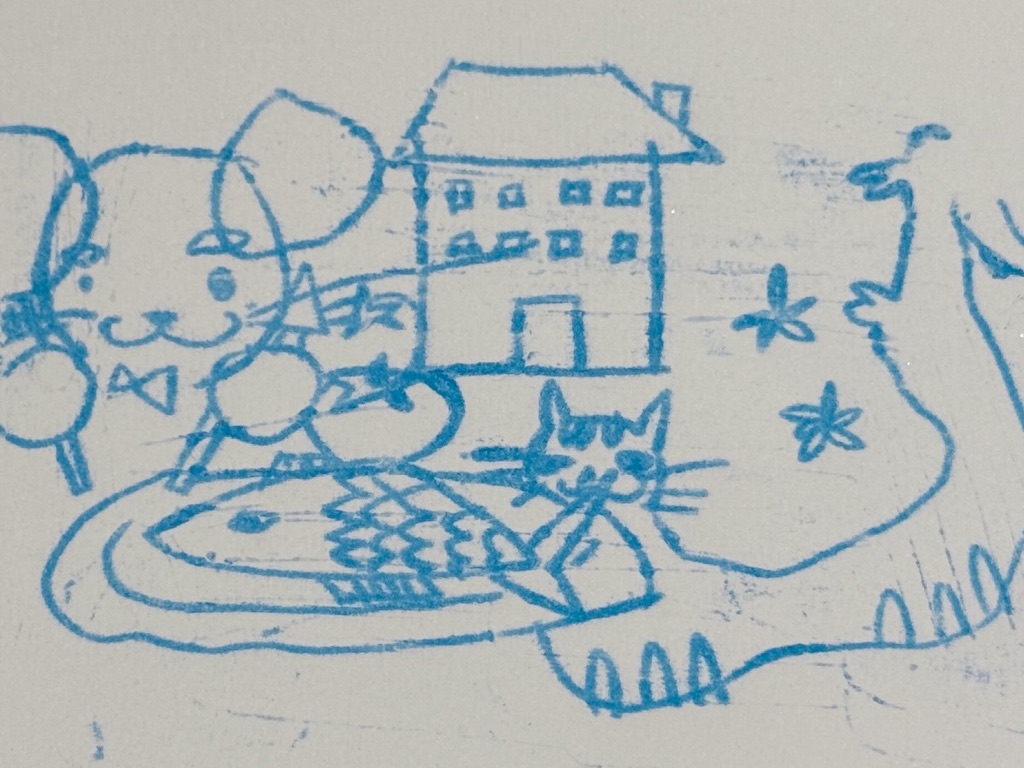
Copy Process
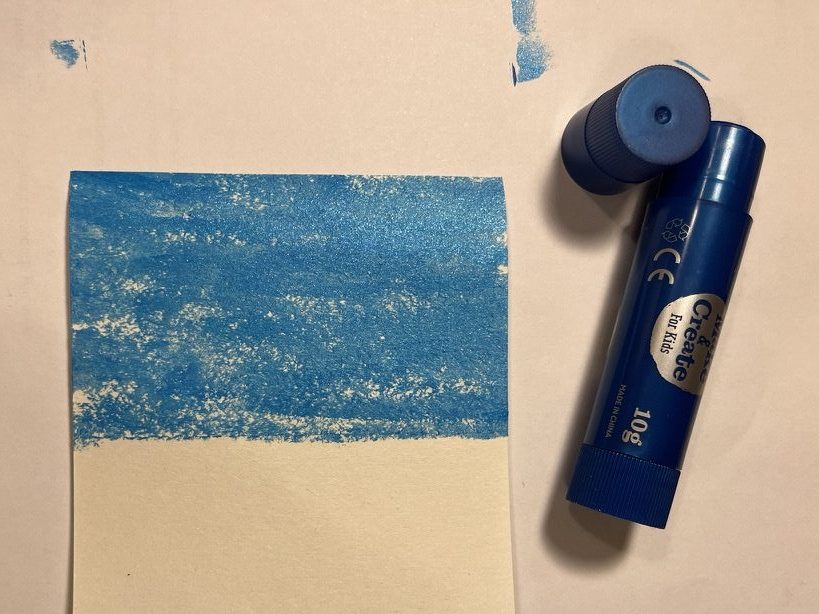
01.
Prepare the surface
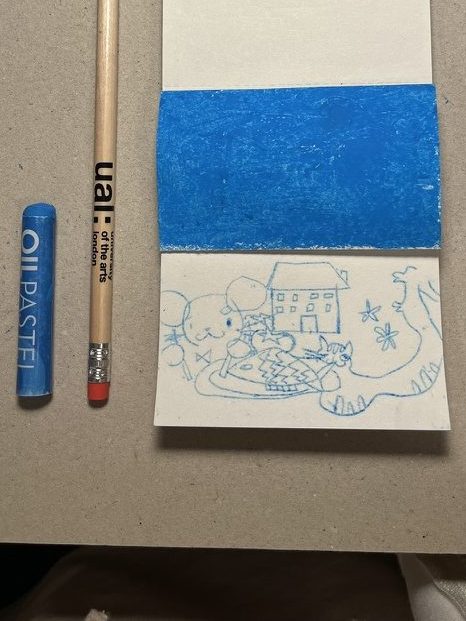
I applied a layer of regular oil pastel to ordinary paper.
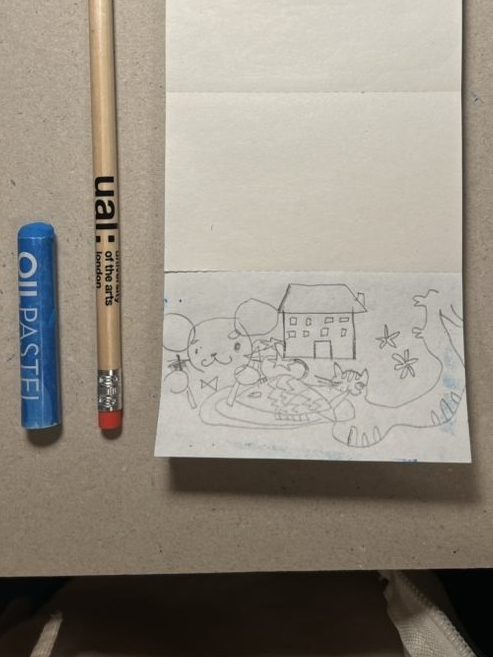
02.
Draw on reverse
Looking at the reference illustration on my screen, I traced its lines with a thin pencil.
03.
Transfer
The pressure of the pencil transferred the oil pastel onto the image side of the paper, creating the lines and shapes.
Observe the result
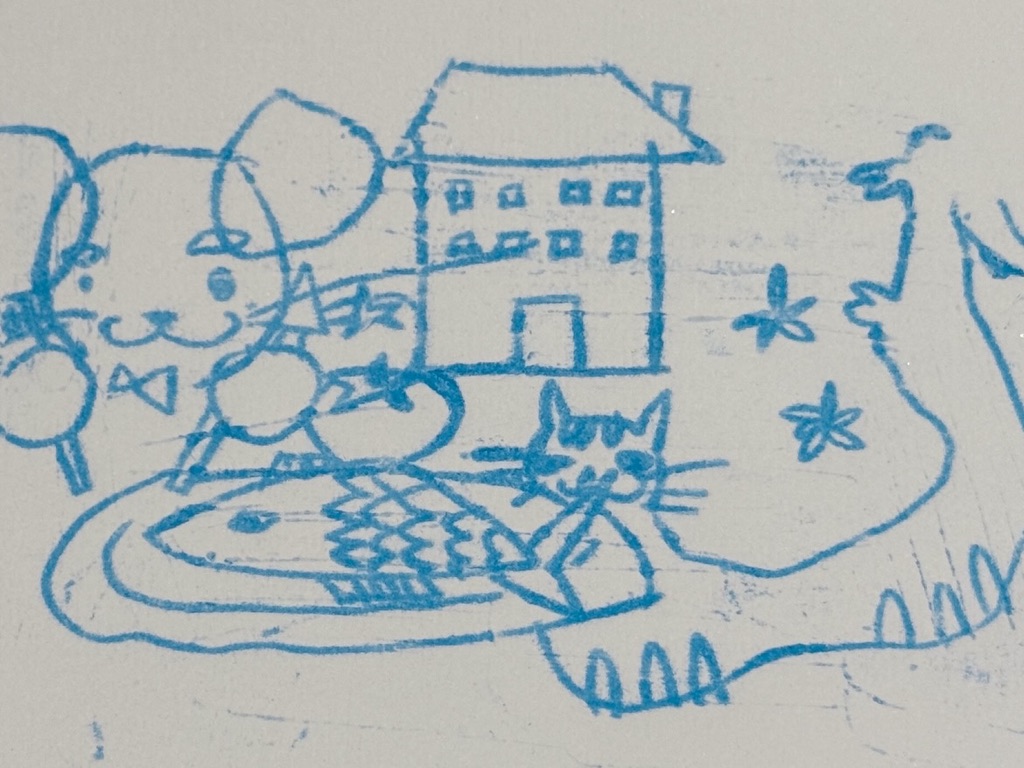
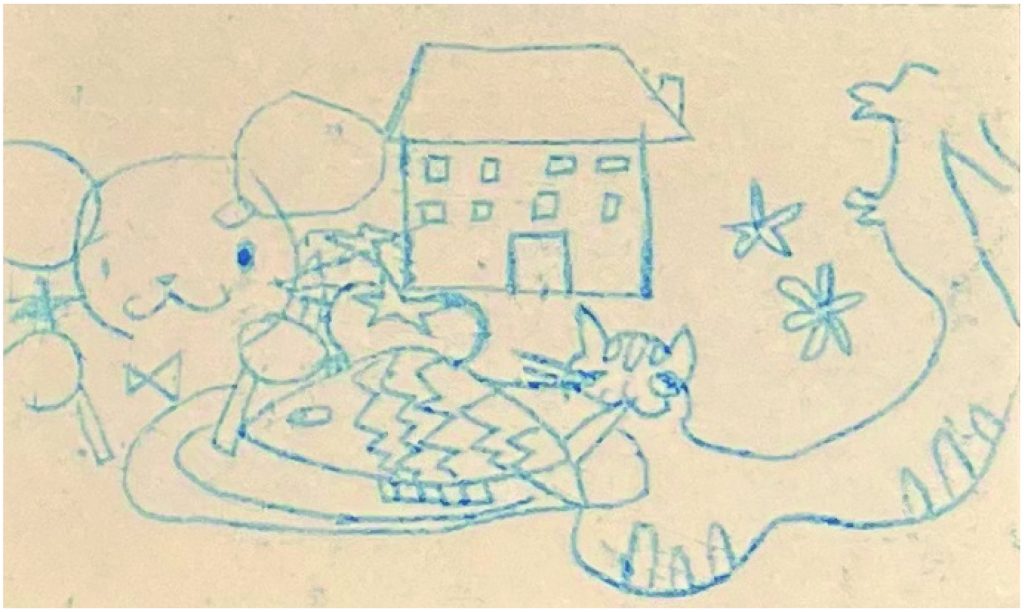
left: reference
right: my copy project
Q1. What’s unexpected about this thing you just made?
The Discovery: Unpredictability
The transferred image can’t be fully controlled by intention. Pressure, hand movement and material response all shape it, and indentations and friction marks get recorded too.
I was surprised by how unpredictable the final image was. I couldn’t fully control whether the transferred lines would appear sharp, blurred, faint or broken. Even small changes in pressure or the way I moved my hand could affect the result.
These results gave the copy a different visual character from the original. I began to see unpredictability not simply as a technical problem, but as something that could reveal aspects of the making process that I hadn’t consciously planned.
The process recorded more than just the image I was trying to copy. The pressure left visible indentations on the paper, creating traces that were different from the transferred pigment. Sometimes, friction between the sheets also produced unexpected marks.
Q2. What do you understand better or differently about your medium now?
Reframing the Medium: A Recorder of Process
I now understand that monoprint is not simply a way of reproducing an existing image. It also records aspects of the process through which the image is made.
The result comes from the interaction between the oil pastel, the pencil, the pressure of my hand and the paper. My hand movements and changes in pressure become visible through differences in the transferred lines, while the paper can retain physical indentations as well as colour.
I used to think of the paper mainly as a surface for the image. Now I see it as an active part of the process. The final print is not just a copy of the original illustration; it also contains traces of the actions and material interactions that produced it.
Q3. Did it pose a particular technical challenge?
This indirectness creates difficulties
The process was hard to control or correct, and unexpected marks from friction still became part of the final image.
I found it hard to control the pressure and reproduce the original line weights, and the process was difficult to correct. Once a mark had been transferred, I couldn’t simply erase it without affecting the image. I had to continue working with the traces that were already there.
Unexpected marks could also appear when the two sheets rubbed against each other. These were not intentional drawing gestures, but they still became part of the final image.
This made me realise that the process involves a tension between intention and material response. I could guide the image, but I couldn’t completely determine its final appearance.
Q4. What kind of output or knowledge does this tool or medium favour?
Textured Output, Process-Based Knowledge
The medium favours textured, fuzzy, broken images. It also produces a kind of knowledge that only comes from making.
Oil pastel monoprint seems to favour textured, expressive and unpredictable images, with fuzzy lines, uneven colour and broken marks.
It also produces a kind of process-based knowledge. Through making the prints, I learned how pressure, hand movements and material properties affect the final image. Some of these effects were difficult to predict in advance and only became clear through handling the materials and observing the results.
The process also reveals traces beyond the intended image, such as pressure marks and accidental friction. These traces can show that physical interactions have taken place, even when they were not part of the original drawing.
I began to understand the medium not only through what it produces visually, but also through what I could discover by working with it.
Q5. What relationship does it have to graphic or communication design?
Making Is Part of the Message
I began to see making as a process of interaction with materials, rather than simply executing a visual idea that already exists in my mind.
This process made me question the idea that making an image is simply about transferring an already-formed idea from the mind onto paper.
The final image is shaped not only by the creator’s intention, but also by hand movements, the properties of the tools and the response of the materials. Some marks are deliberately made, while others emerge through friction, pressure or the limitations of the process.
For graphic and communication design, this suggests that the way an image is produced is not separate from the image itself. Material choices and production methods can influence how an image looks, what information it retains and how it is interpreted.
So, my Critical Question is
How does the transfer process redistribute control between the maker and the material?
What it does? How it does it?
week2
How does the transfer process redistribute control between the maker and the material?
To figure out it, I need to first
Breaking Down the Transfer Process
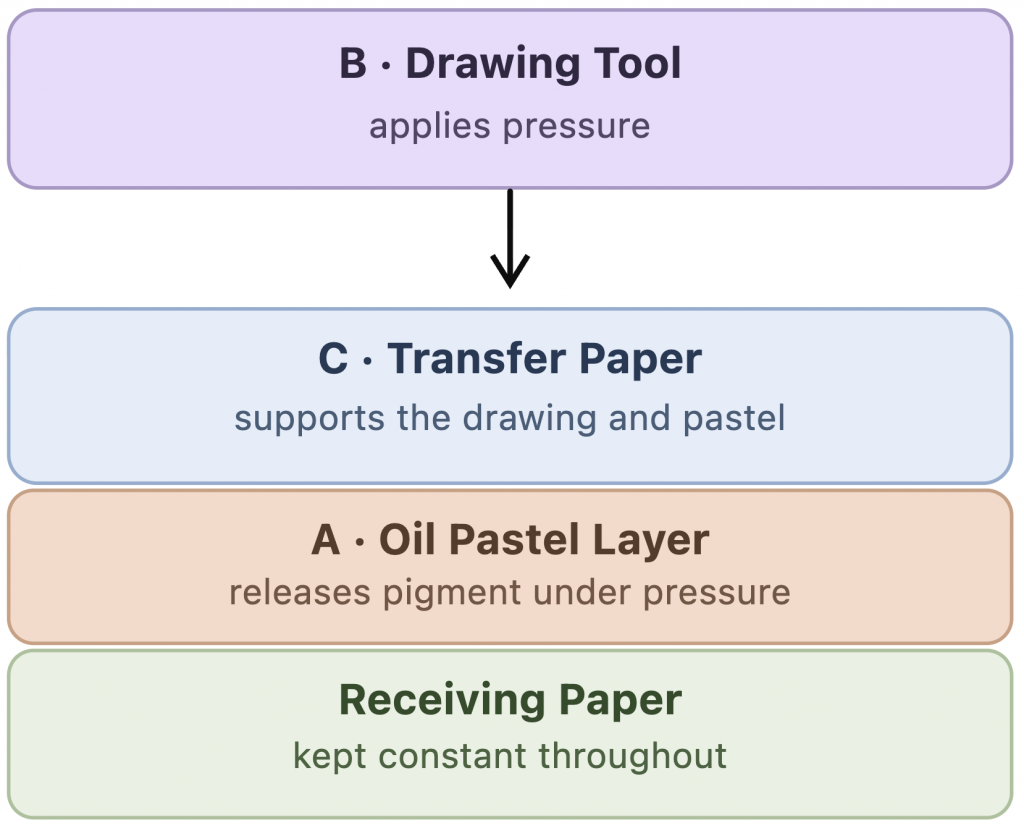
I divided the process into three elements:
A — Oil Pastel Layer
B — Drawing Tool
C — Transfer Paper
The receiving paper remained the same throughout the experiments.
Next, I try to explore how changing each element affects the result.
Standard Setup
I used a regular oil pastel layer, a thin pencil and ordinary transfer paper as baseline,
then changed different elements to compare their effects.
01. Change The Drawing Tool

Thick oil-based pencil
wide and fuzzy lines
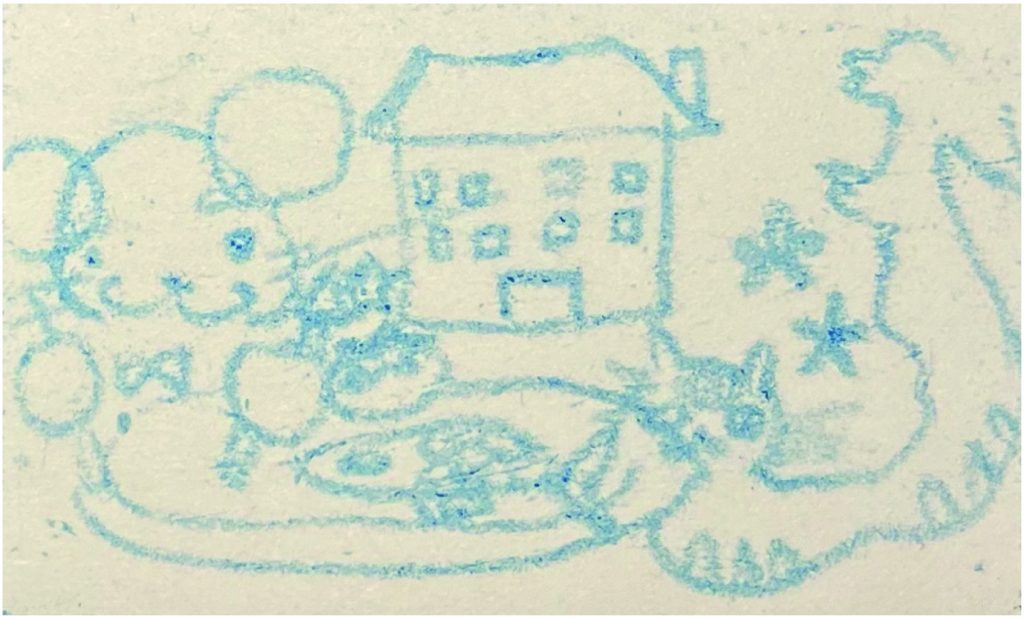
Thick Coloured Pencil
more even lines
Thin graphite pencil
Finer, sharper lines with visible pressure variation
The finer the drawing tool, the more control I have over the transferred lines.
Finer tools allow me to produce more precise lines and better control variations in pressure.
02. Change The Oil Pastel Layer
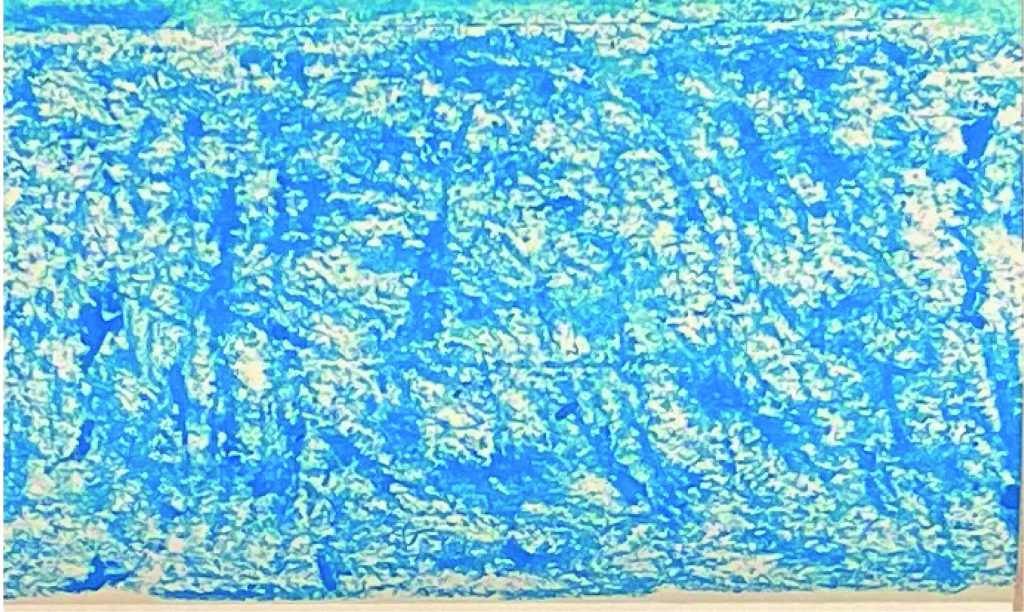
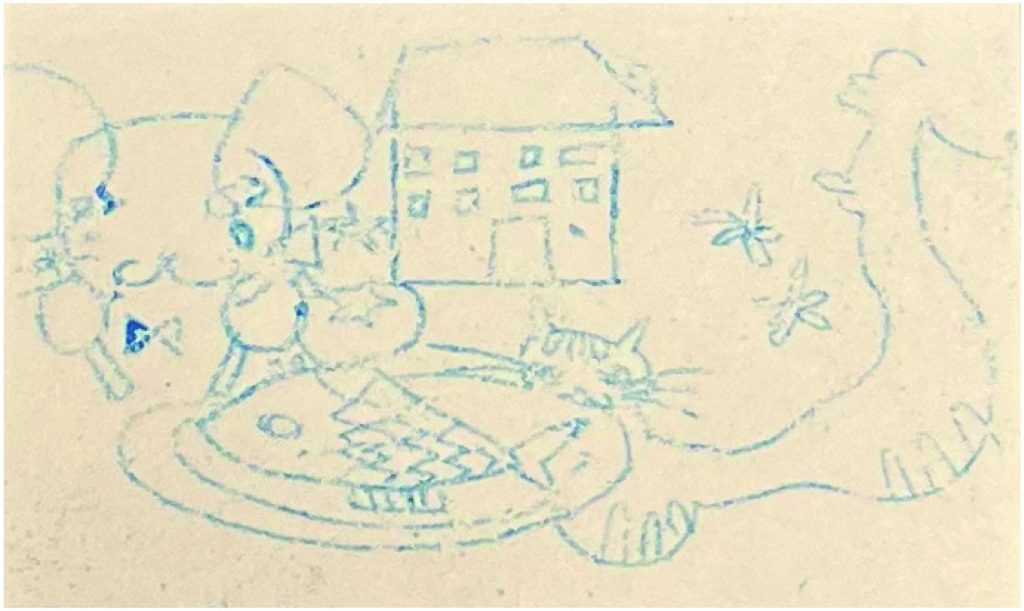
Uneven pastel layer
Patchy, faded and irregular marks
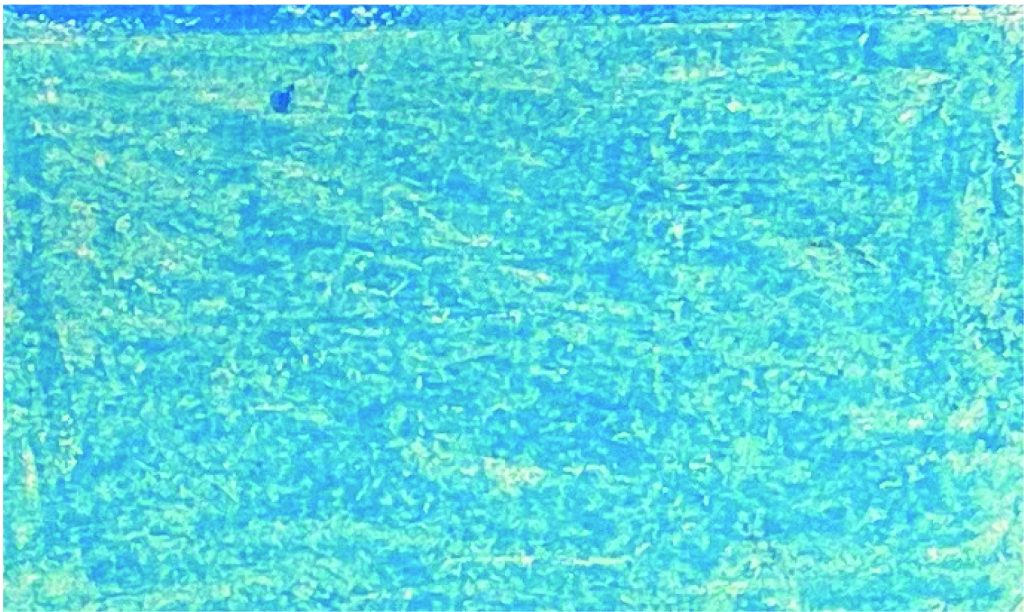
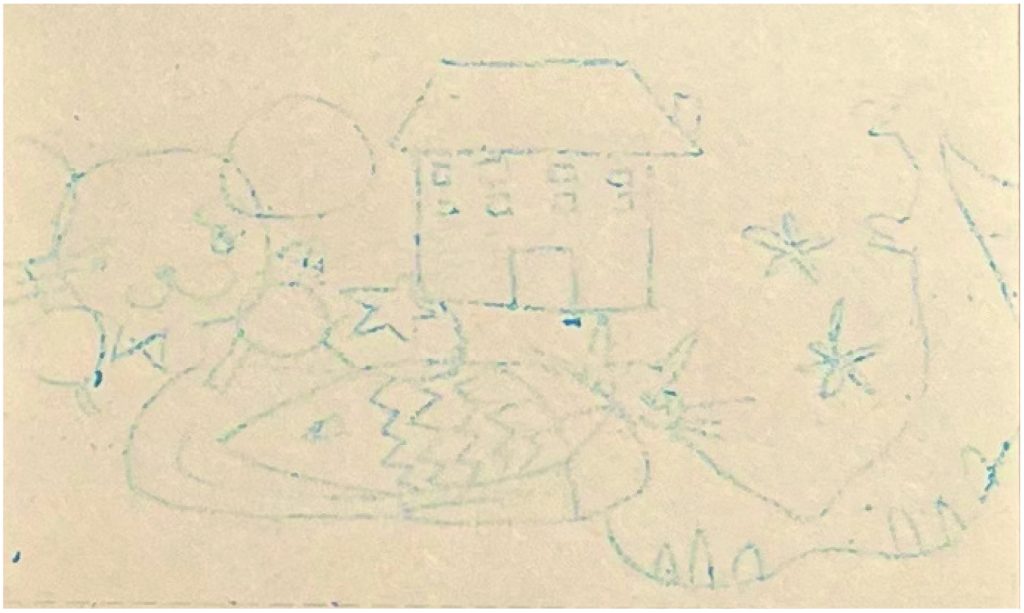
Harder Oil Pastel
Faint, broken and dotted marks
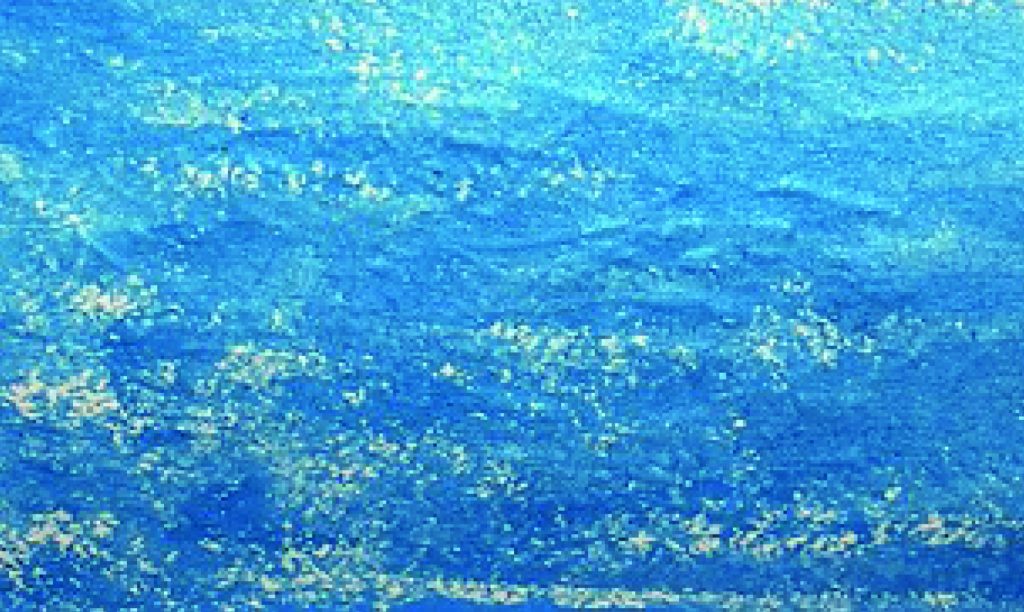
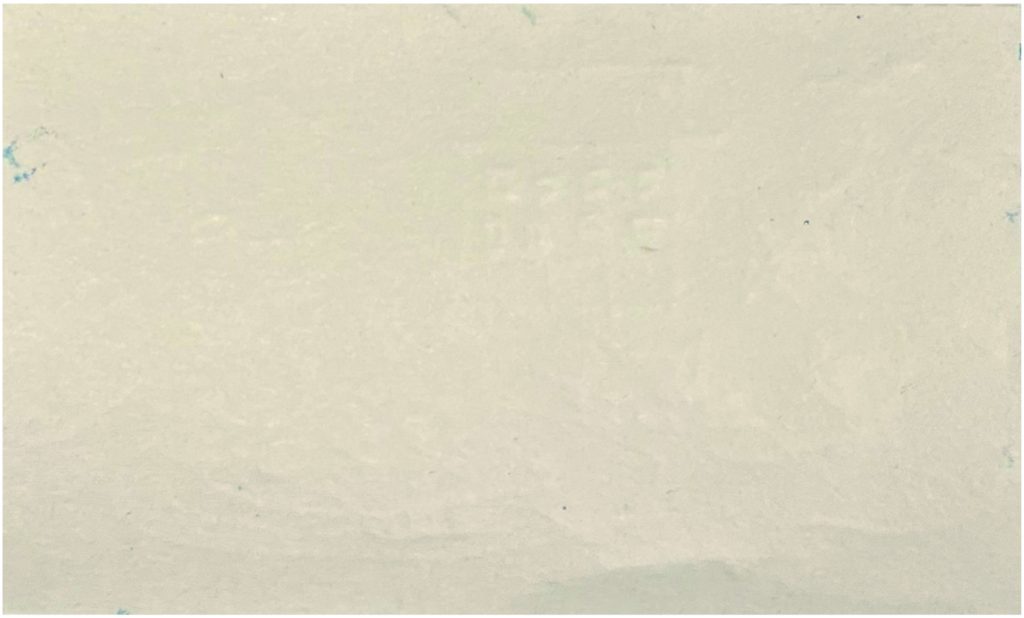
Pearlescent Oil Pastel
Only indentations remained visible.
The more resistant or uneven the oil pastel layer, the less control I have over the final marks.
The material interrupts the intended lines, producing patchy or faded results.
03. Change The Transfer Paper
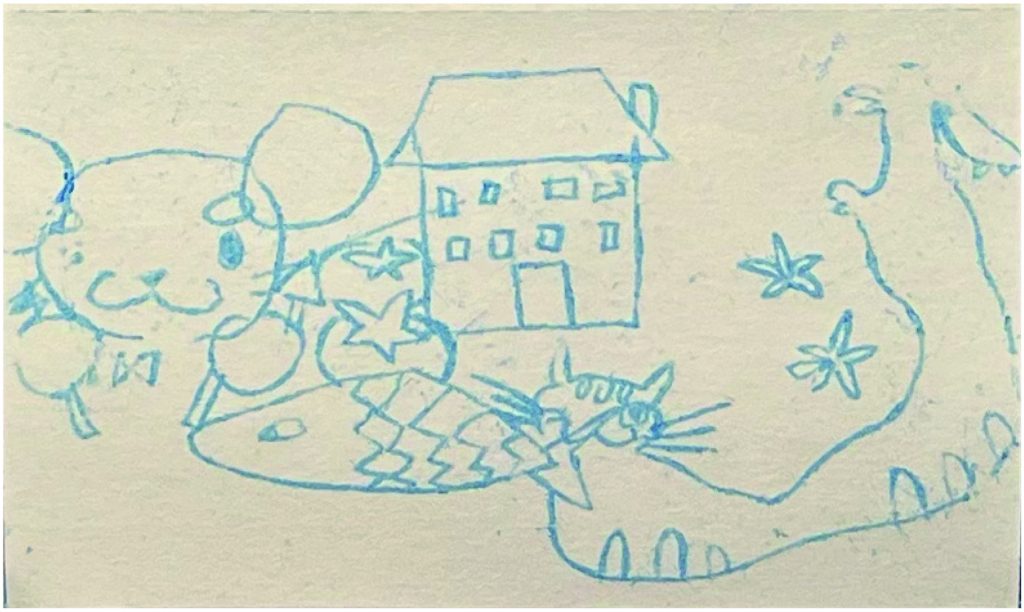
Transparent PVC sheet
Soft, uneven, watercolour-like marks
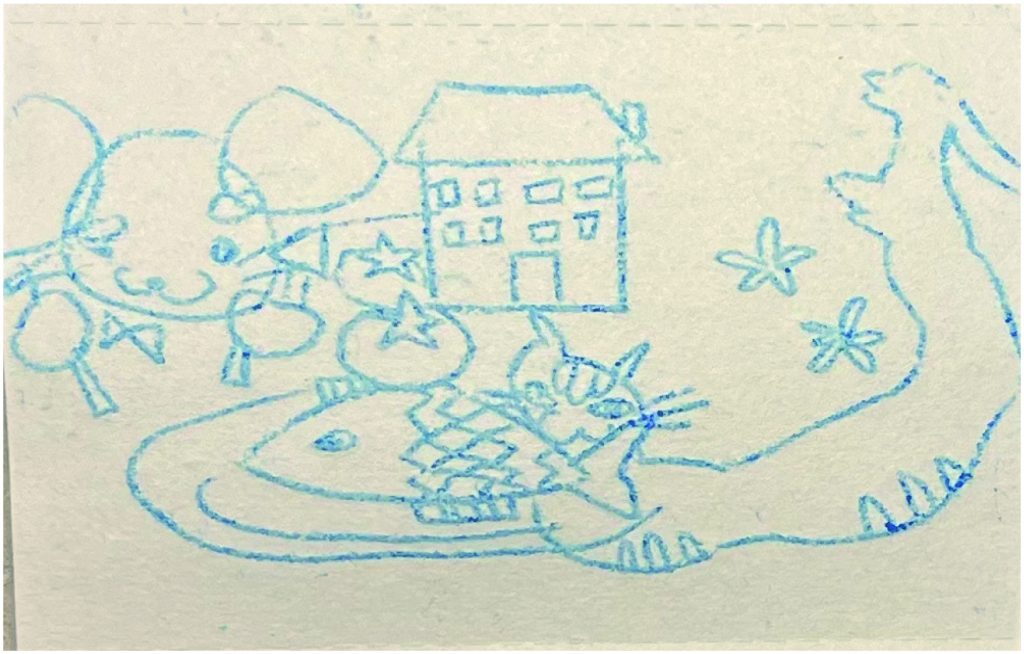
Xuan paper
Patchy, ink-like appearance
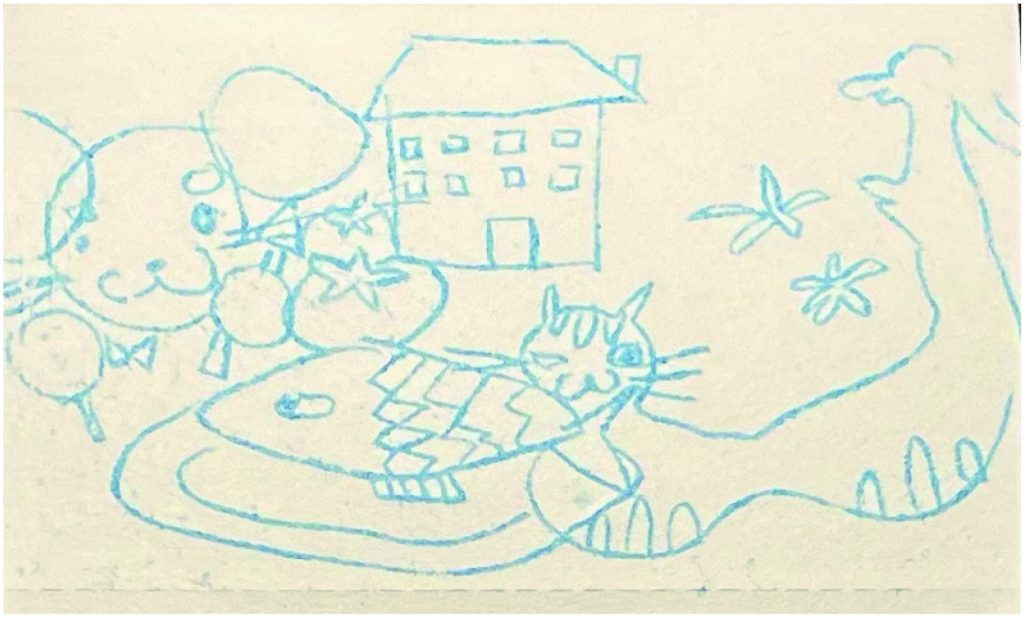
Tracing paper
Clear, clean and even marks
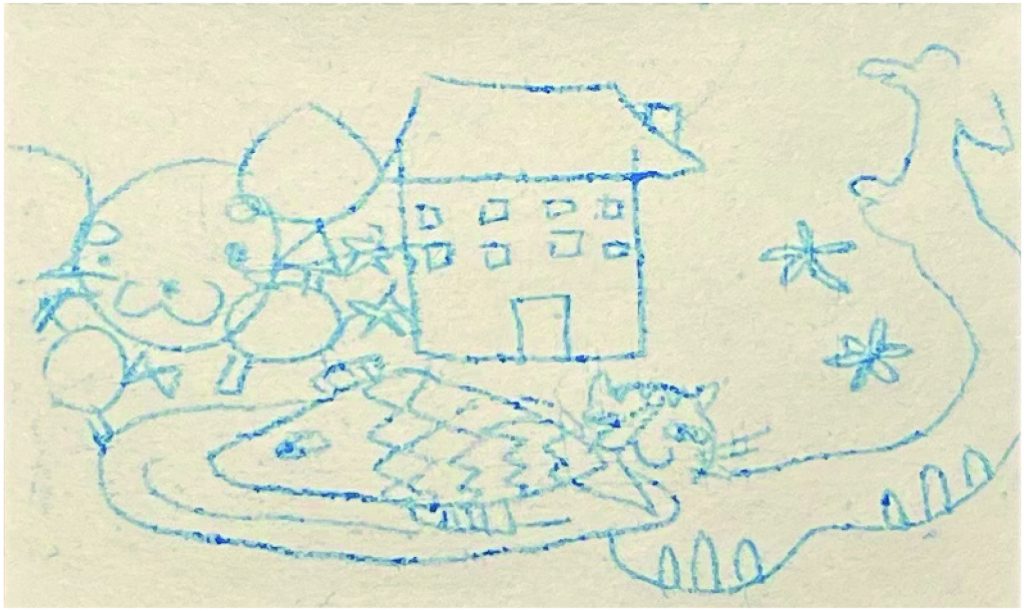
Baking paper
Strong variations in texture and tone
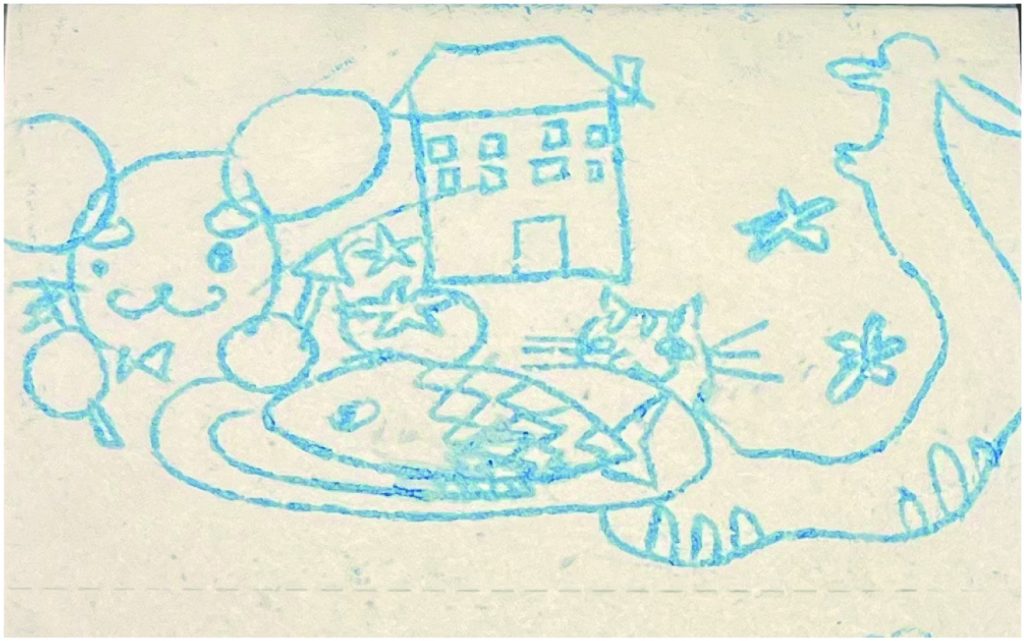
300gsm textured watercolour paper
Strong transfer, with trembling lines shaped by texture
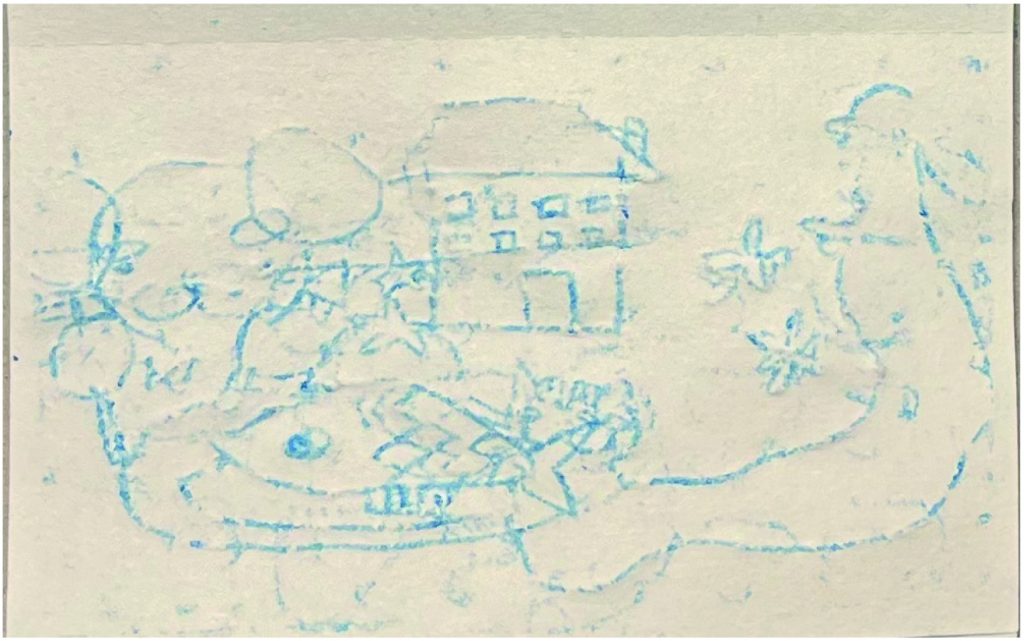
Heavily embossed paper
Fragmented image, with deep and visible indentations
As the properties of the transfer paper changed, the material had a greater influence on how my drawing gestures appeared in the final image.
Rougher or more heavily textured papers can disrupt pigment transfer, while thinner papers may allow pressure marks to become more visible.
Interrogating how it does it:
How Does the Transfer Process Work?
Through my experiments, I began to recognise two channels in which the process records my actions:
01 — Pigment Transfer
Visible coloured marks caused by the transfer of oil pastel.
02 — Pressure Indentation
Physical impressions left on paper by drawing pressure.
I find out that control is therefore not simply lost by the maker and gained by the material; it is redistributed between these two channels.
These two recording channels do not always produce equally visible results.
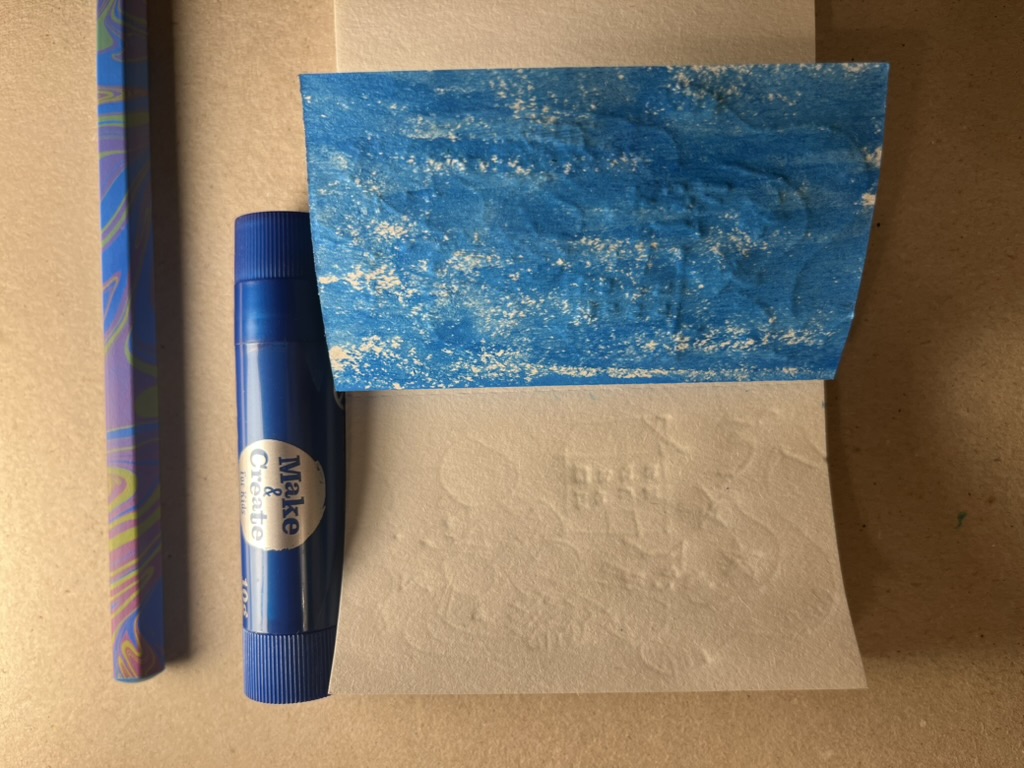
This led me to an unexpected discovery:
Apparent absence is not always absence.
When sufficient pressure is applied, a mark that appears to be missing in colour may still exist as a physical indentation.
The transfer process does not simply shift control from the maker to the material. Instead, the interaction between the two determines how marks are recorded and made visible through these different channels.
What it does it for?
week3
From Apparent Loss to Variation
Reflecting on last week’s findings and the feedback from my tutorial, this raises the possibility that an incomplete transfer is not necessarily just a damaged or unsuccessful copy.
Instead, it may become a different version of the original, in which information is distributed differently between visible colour and less visible physical traces.
The process may produce legible variations rather than merely degraded reproductions.
This is a possibility I want to test through further iteration.
For my further iteration, I need to first
Reconsidering the Transfer System
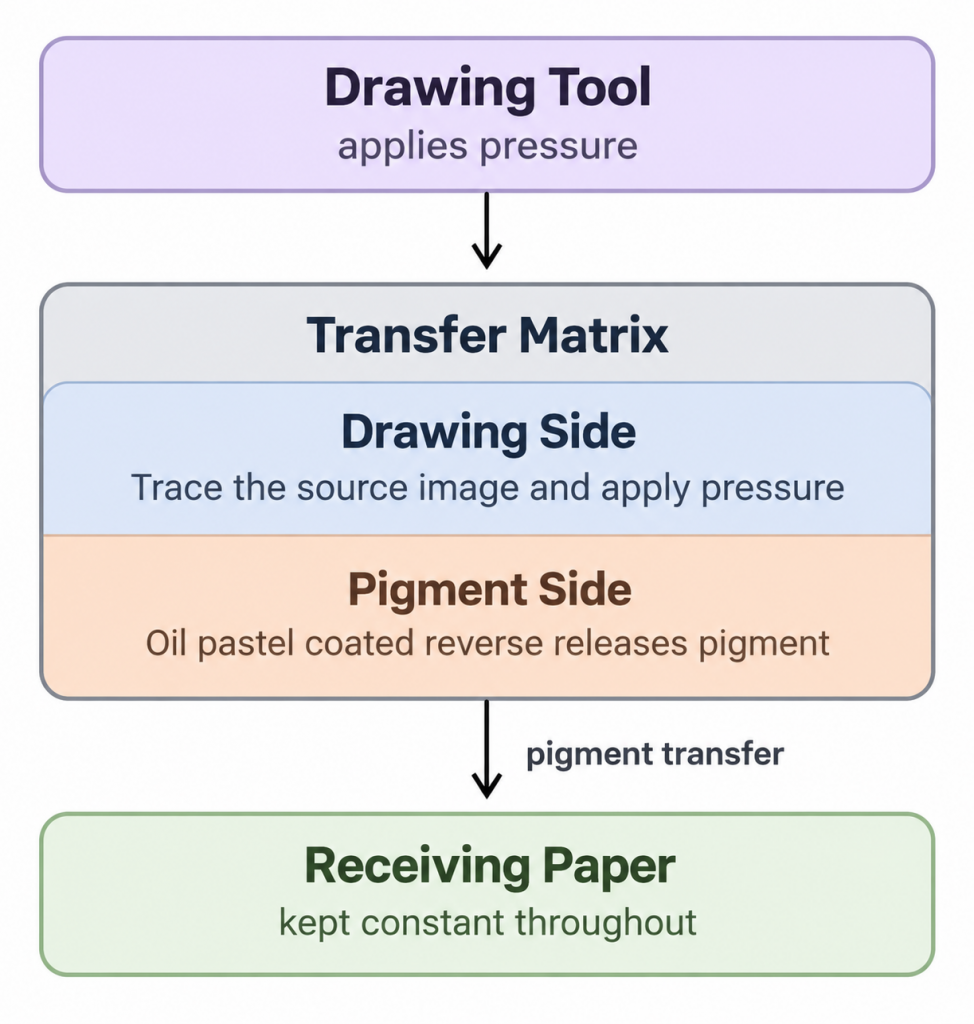
Reflecting on my Week 2 experiments, I found that the Transfer Matrix changed after process. It is not a fixed or neutral tool. It is physically altered through use.
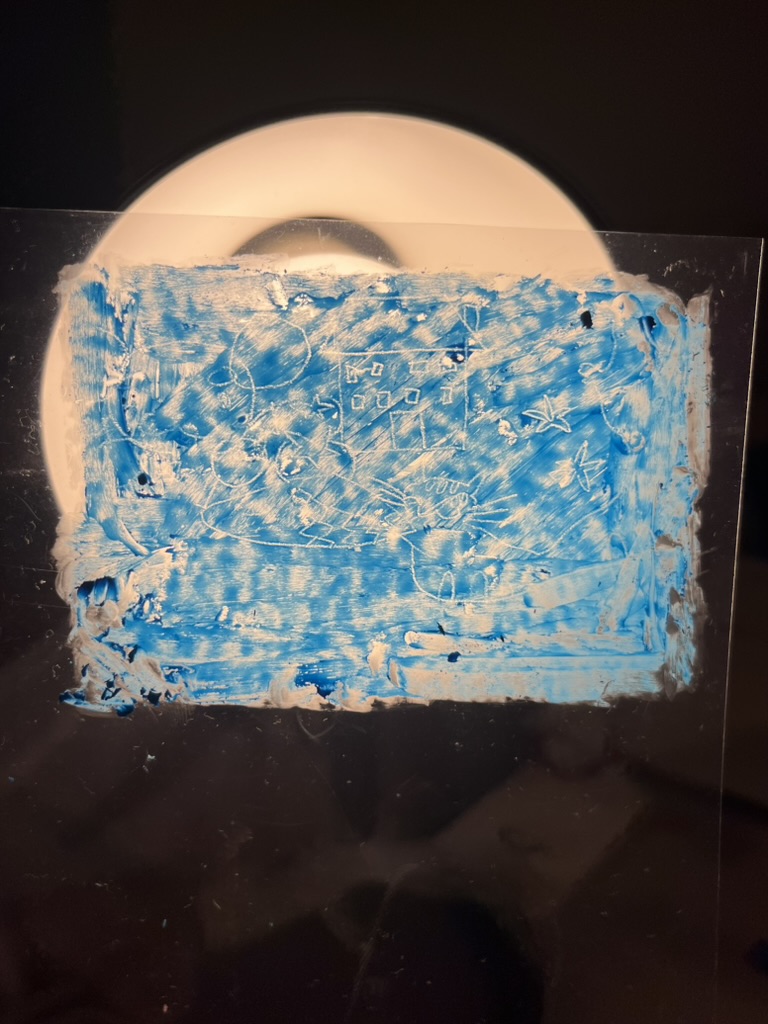
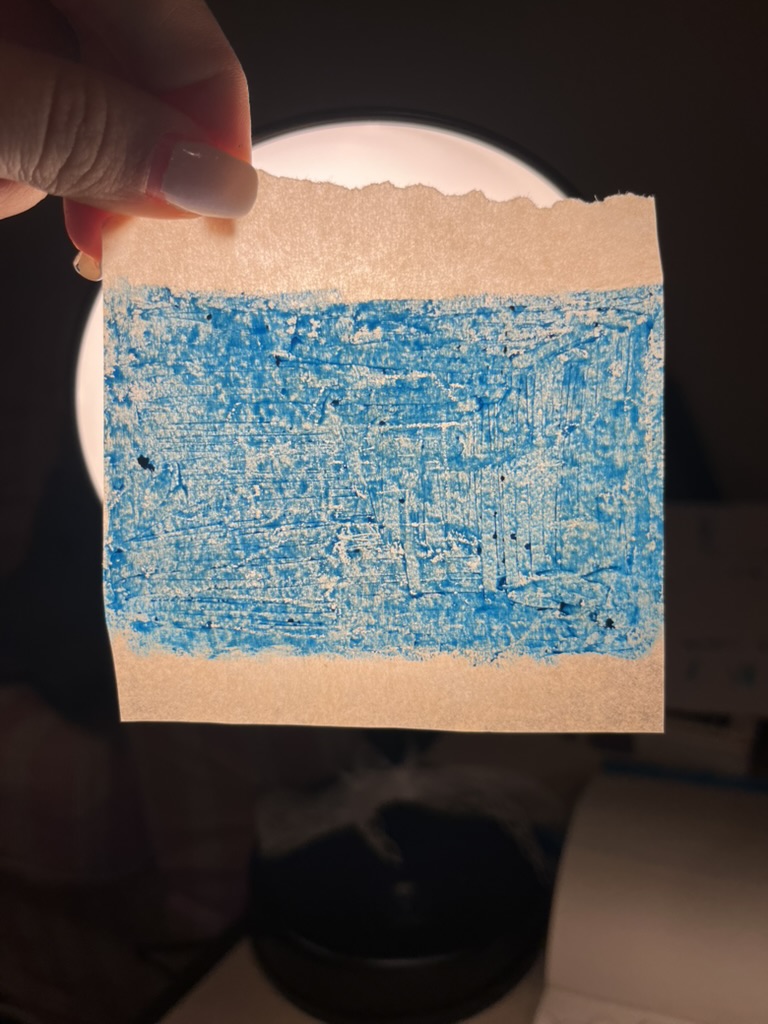
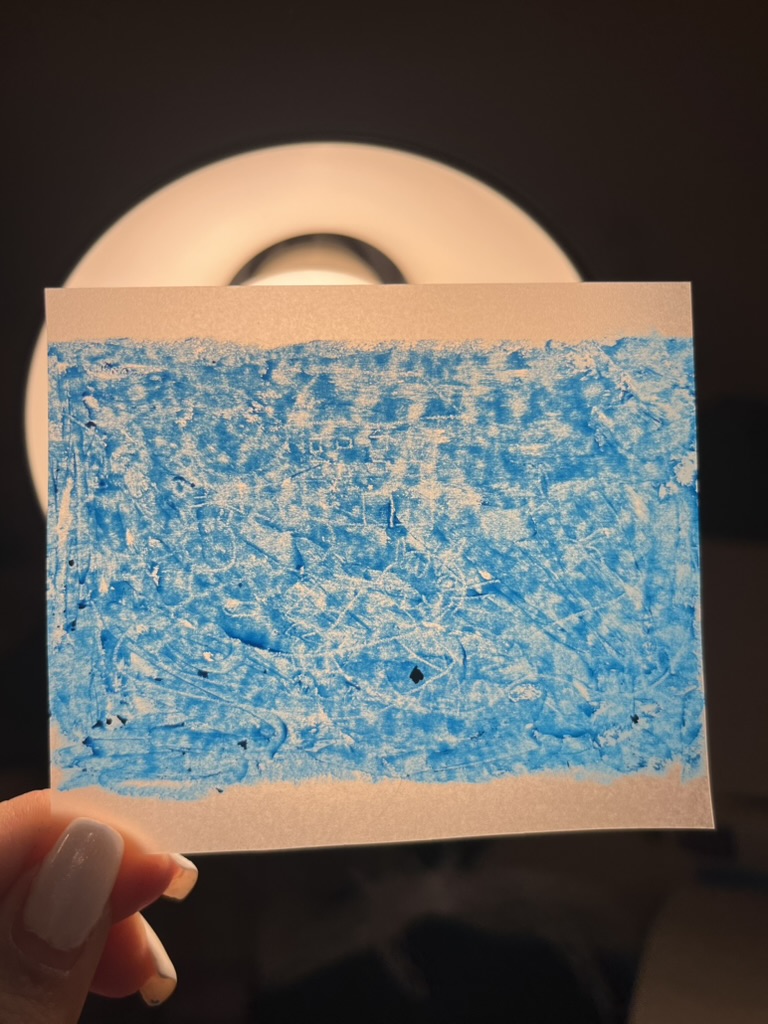
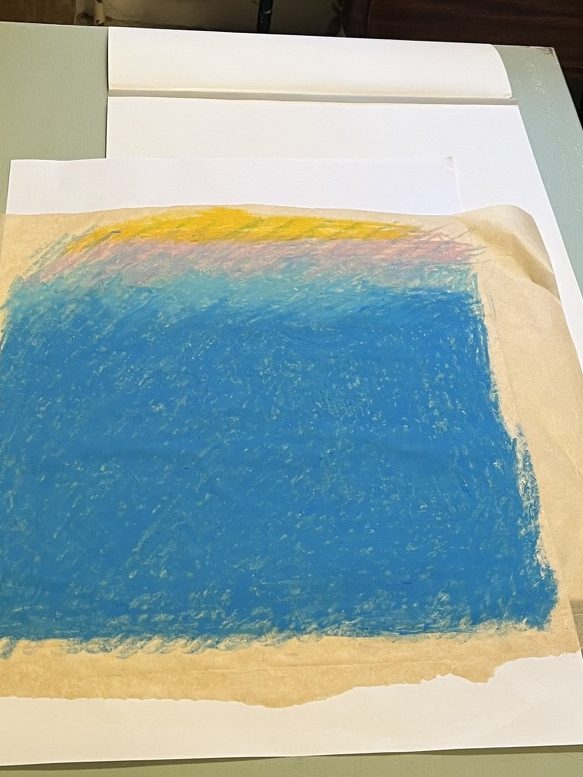
This observation opens up a new possibility for iteration. I want to reuse the same one repeatedly and investigate how the accumulated effects of previous transfers influence subsequent results.
So, for the further iteration, I will only set two interacting factors:
01 — Material Condition
Reusing the same sheet of paper for repeated transfers means the process itself becomes the interacting factor.
02 — Maker’s Pressure
The amount and consistency of pressure applied during tracing.
These two factors are interconnected. The changing matrix may respond differently to the same pressure, while the pressure applied during each transfer may further alter the matrix.
For my further iteration, I need to second
Reconsidering the Source Image
Following the feedback from my tutorial, I want to explore a larger scale , using approximately A3-sized prints. And my Week 2 experiments copied an illustration from a screen, but I could not reproduce the lines and positions exactly each time. For more consistent results, I will now trace directly from a fixed printed source.
I also began to question whether the original illustration was still the most appropriate source for my investigation. Its abstract, playful visual qualities were effective for exploring the character of the medium, but made it difficult to judge how changes in pigment and indentation affected communication.
I therefore needed a new source through which these differences could be more clearly communicated.
Criteria for Selecting a New Source
01 — Process-Oriented
The source should allow progressive changes or losses to become part of its structure.
02 — Communicative and Interpretable
Successive versions should remain open to reading or experiencing, allowing meaningful comparisons rather than simply becoming more visually damaged.
03 — Space for Indentation
The source should allow marks that become less visible to retain some significance, rather than having their absence completely overlooked or automatically corrected.
↓ Comparing Possible Sources
Typography
Words offer clear meaning and allow changes in legibility to be observed.
However, when a letter or part of a word disappears, readers may automatically reconstruct the intended meaning.
I was concerned that this process of semantic completion might make the missing marks less significant, rather than drawing attention to the indentation traces that remain.
Calendars
A calendar provides an ordered structure in which information can progressively disappear while the overall system remains recognisable.
However, I felt that missing dates might offer a relatively limited range of interpretations, making it difficult to explore how variations produce different experiences.
Tarot Cards
Tarot cards allow multiple interpretations and contain rich visual information.
However, their dependence on figurative imagery made them less suitable for isolating changes in pigment and indentation. Different degrees of abstraction could also make comparisons less direct.
Music
Music offers a sequence of individual elements that can be altered, omitted or repeated over time.
A melody may remain recognisable despite certain notes becoming silent, but these changes can still affect its rhythm, phrasing and character.
Crucially, a silent note can remain significant through its position in the musical structure and the listener’s expectation of what should be heard.
This offered a connection to the less visible traces I had discovered in my printing experiments.
Music therefore seemed to offer the strongest combination of process, communication and the potential to give apparent absence a meaningful role.
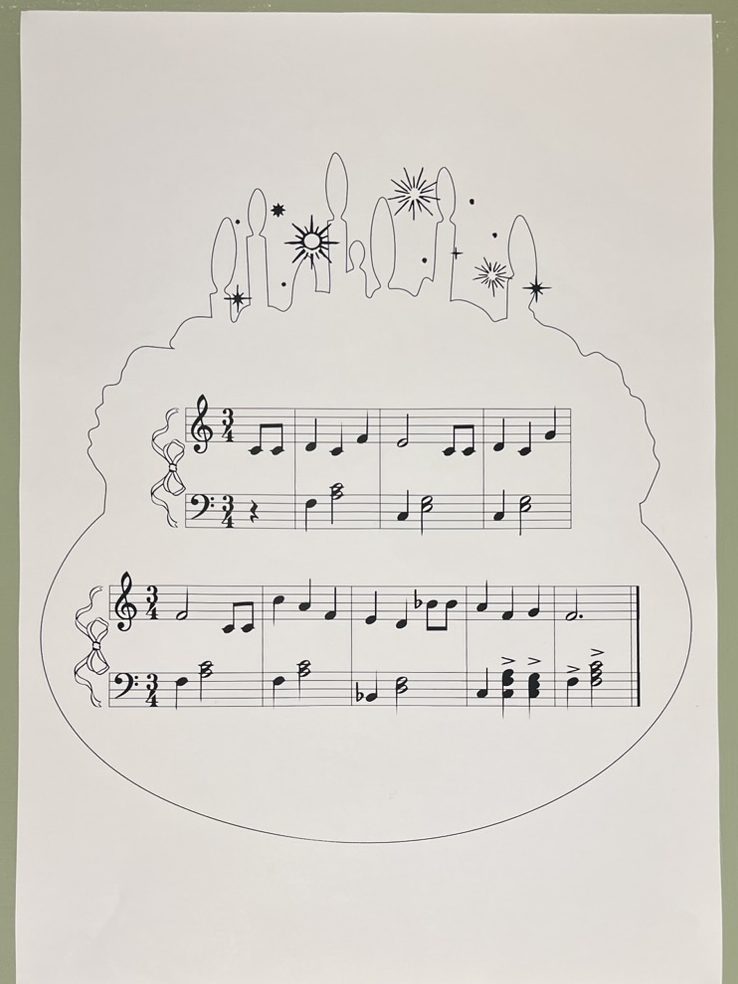
I choose Happy Birthday Song.
Experiment
Further iteration
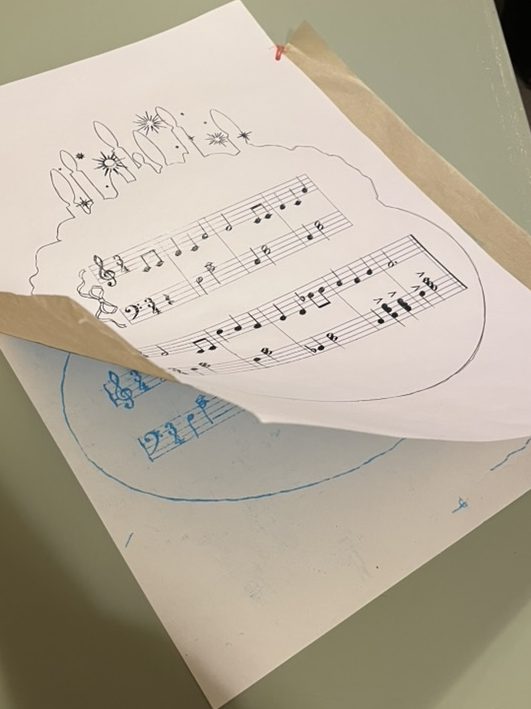
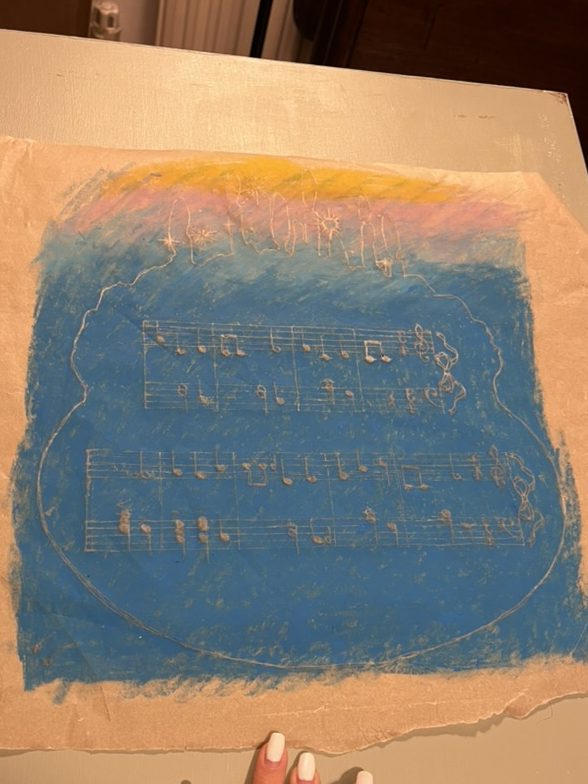
x6
↓
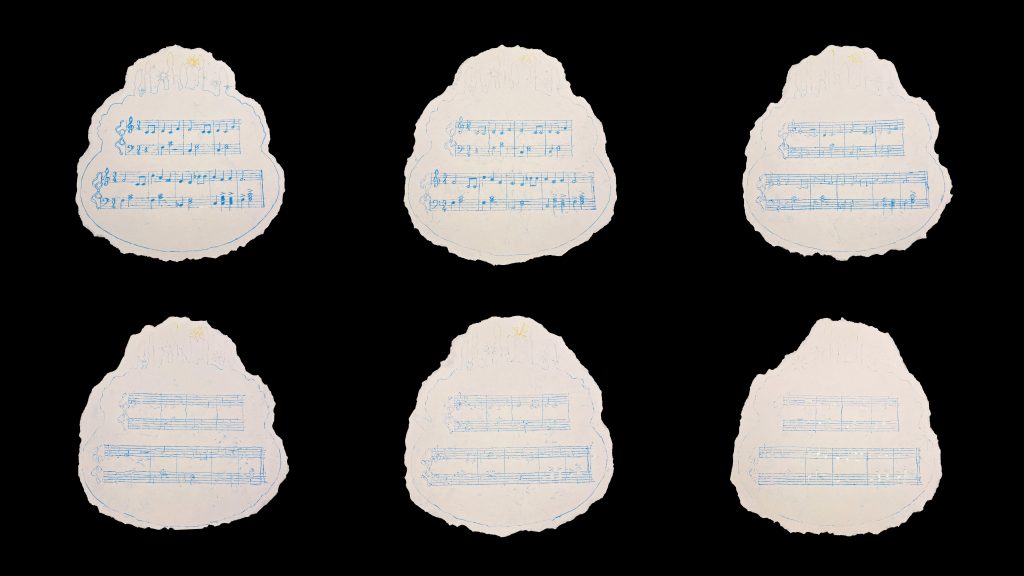
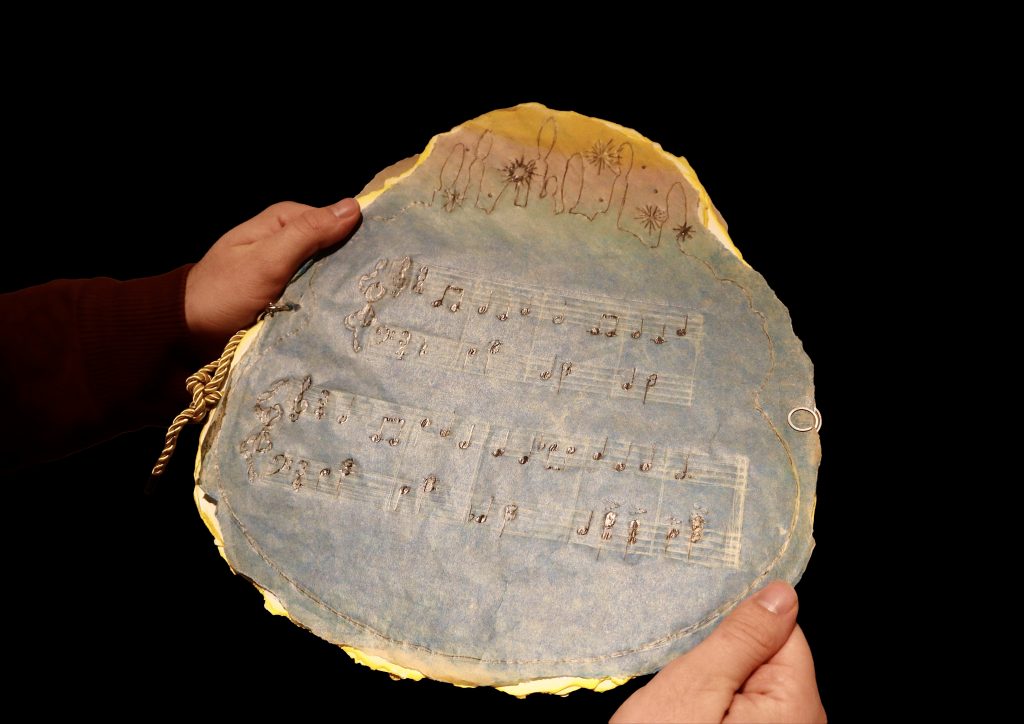
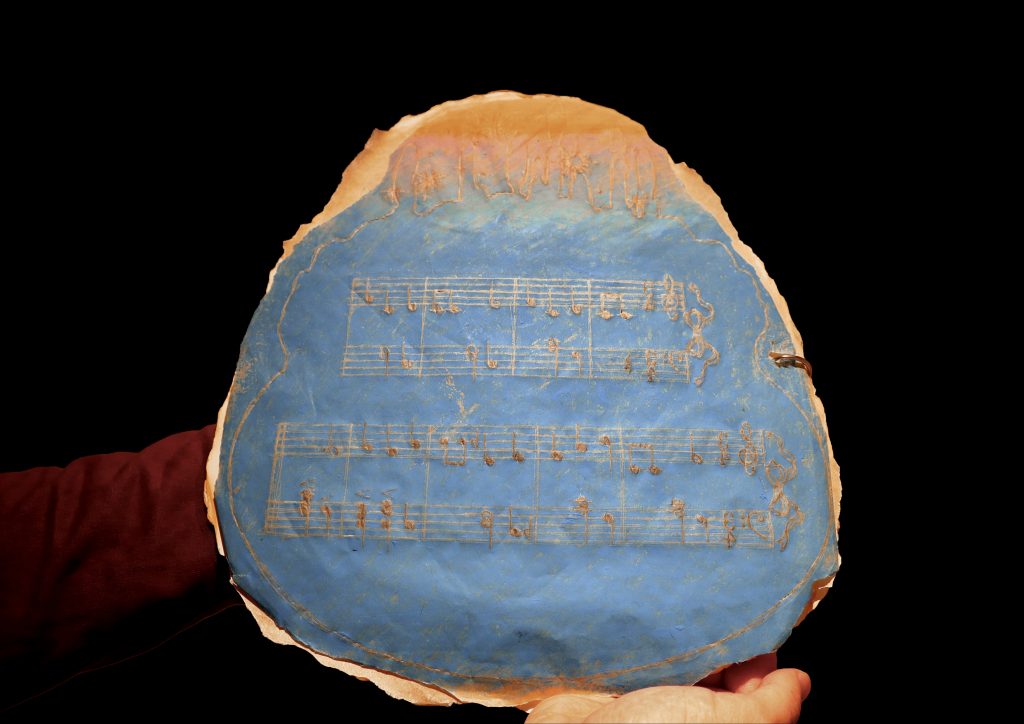
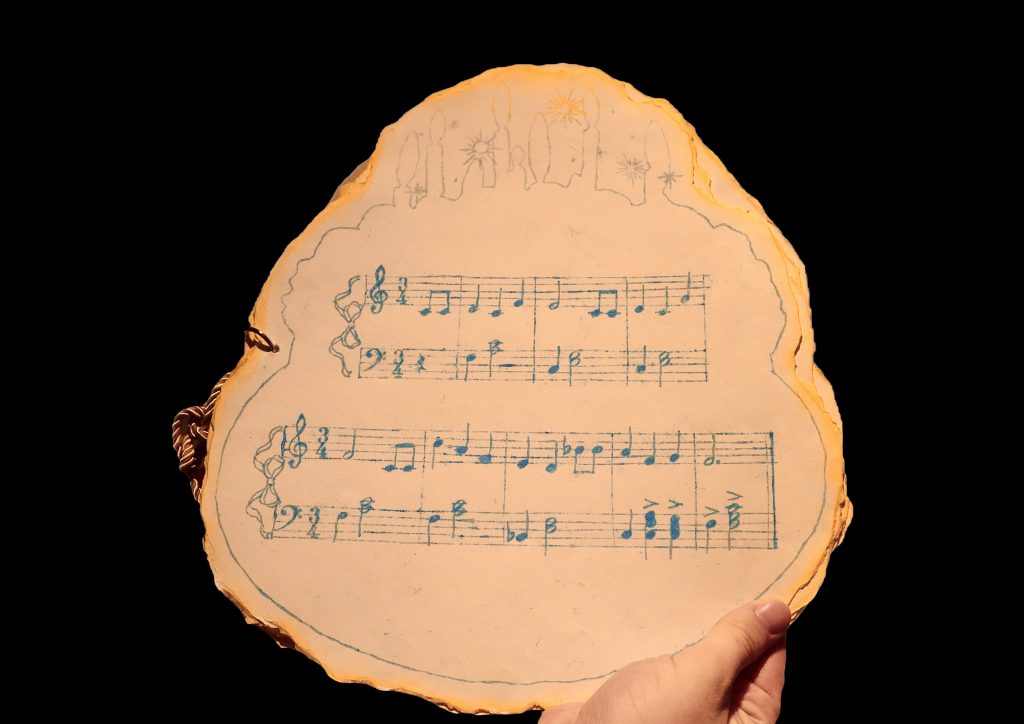
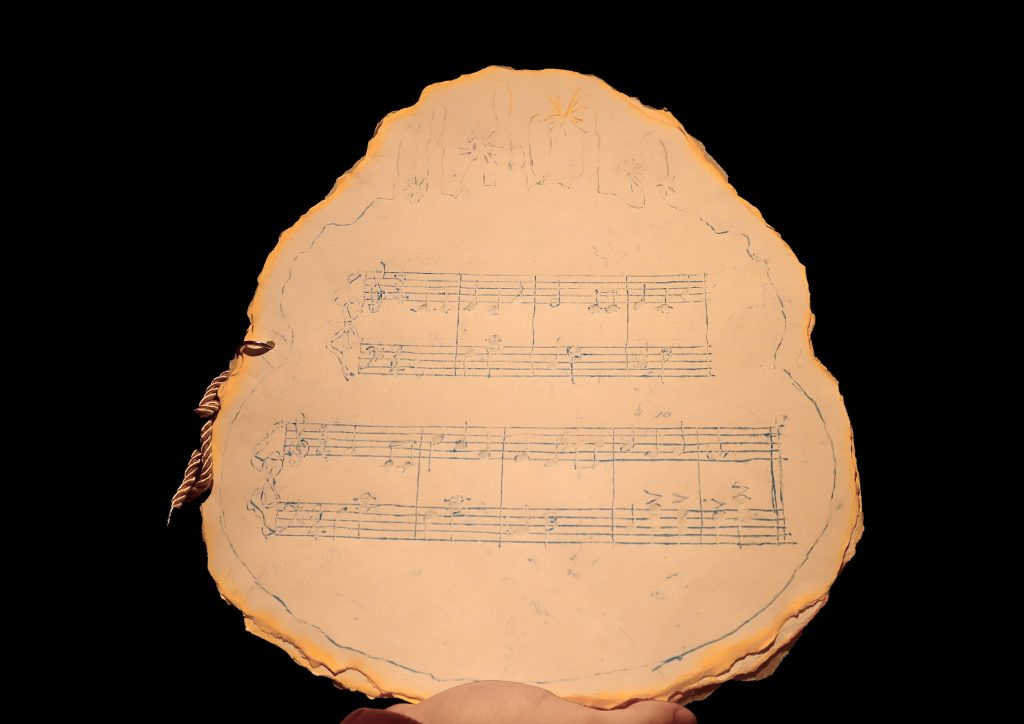
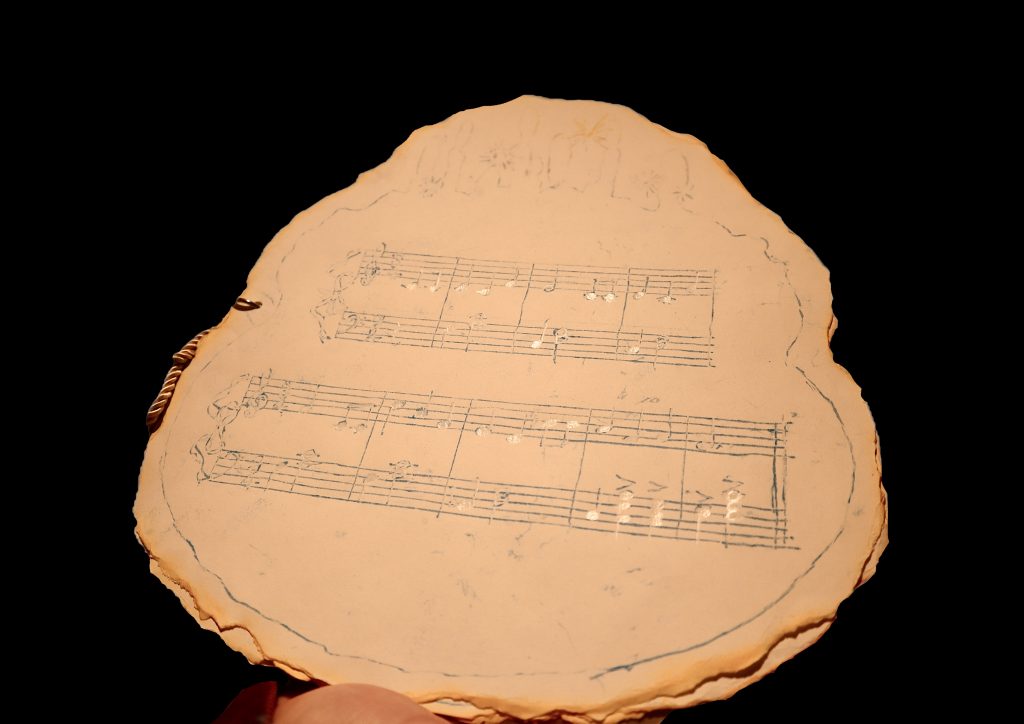
Then, I played them.
https://vimeo.com/1241088906?share=copy&fl=sv&fe=ci
I established three relationships:
- Pigment Trace → Musical Tone
- Faint Pigment Trace → Faint Musical Tone + Key-Action Sound
- Indentation Trace → Key-Action Sound
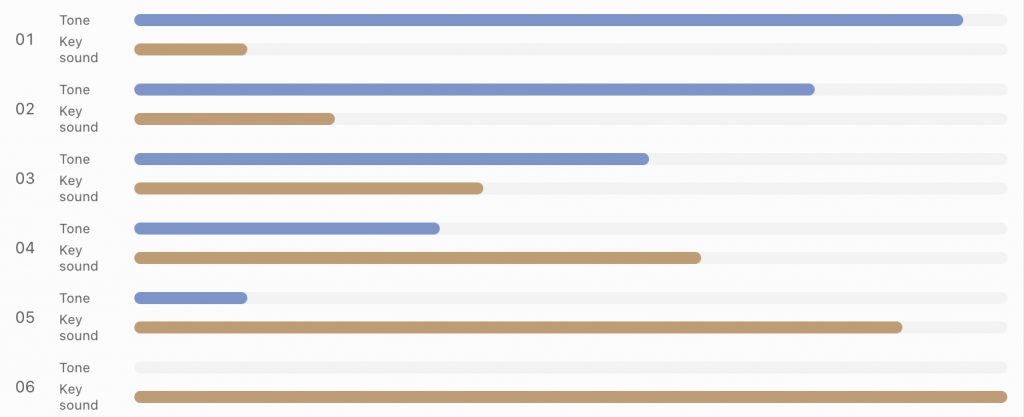
Eventually, the melody was no longer sounded, but the key-action sounds remained.
Normally, we focus on the notes played on a piano, while the mechanical sounds of pressing the keys remain in the background.
In my later versions, these previously overlooked sounds became the main part.
This closely reflects what I discovered in the monoprint process.
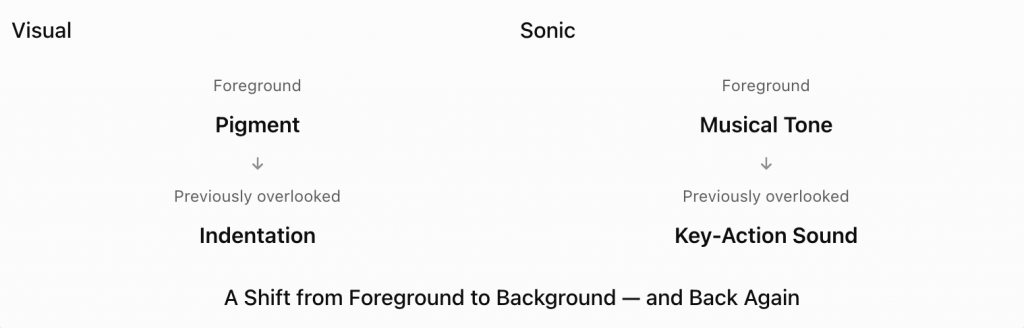
What initially appeared secondary becomes the main focus of perception.
The disappearance of the intended result does not necessarily mean the disappearance of the process.
I showed my video to several people without an art or design background. Some described the earlier versions as cheerful, gentle or sweet, while the later versions felt strange, uncomfortable or even aggressive.
The same source melody was no longer experienced in the same way.
As the musical tones faded and the key-action sounds became more prominent, the emotional character of the music changed.
This led me to another discovery:
Preserving information does not necessarily preserve its meaning.
to reply
What it does it For?
It makes the traces of making part of the message. The medium itself can influence how that information was communicated and emotionally experienced.
Returning to My Critical Question
How does the transfer process redistribute control between the maker and the material?
Control is not simply shared between the maker and the material. It also involves the translation rules and, ultimately, the audience’s interpretation.
The maker establishes the intention and translation rules. The material introduces unexpected variations, while the audience brings their own perceptions, memories and emotional responses.
The final meaning is therefore not determined by any one of them alone.
When information is translated between media, who is responsible for the changes in its meaning and emotional impact?
Distributed control does not mean distributed responsibility disappears.

WRITTEN RESPONSE
Draft 1
I chose to copy an illustration by WRen_ using oil pastel monoprint. I was drawn to its loose lines and playful, dreamlike quality, which made me curious about the process of copying it through this medium.
To make the copy, I applied regular oil pastel to a sheet of paper. Looking at the reference illustration on my screen, I traced its lines with a thin pencil. Through the pressure of my drawing, the pigment transferred from the prepared paper onto the sheet underneath, forming the image.
Through this process, I began to see that monoprint does more than reproduce an existing image. It also translates aspects of the making process into the final print. Alongside elements of the original illustration, the print carries traces of my drawing gestures, the pressure I applied and the interaction between the materials. The image is not simply a pre-existing idea transferred onto paper through a tool. It takes shape through the interaction between my intention, my actions and the material response.
This led me to question how control is shared during image-making. How does the transfer process redistribute control between the maker and the material? To explore this further, I plan to develop a series of experiments with oil pastel monoprint, changing selected conditions of the transfer process and comparing the results. I want to investigate how these changes affect the relationship between my intentions, my actions and the final image.
Draft 2
— From Reproduction to Recording
I began by copying an illustration by WRen_ using oil pastel monoprint. I was attracted to its loose lines and playful, dreamlike quality. However, during the copying process, I realised that the final image could not be fully controlled. Differences in pressure, hand movement and material response created unexpected variations. Some lines appeared sharp, while others became blurred, broken or almost invisible.
This led me to ask: How does the transfer process redistribute control between the maker and the material?
To investigate this, I divided the process into three elements: the drawing tool, the oil pastel layer and the transfer paper. Keeping the receiving paper unchanged, I developed a series of experiments, changing these elements and comparing the results.
I found that finer drawing tools allowed me to produce more precise lines, while harder or uneven oil pastel layers interrupted the transfer, creating faded and fragmented marks. Different transfer papers also affected the image, sometimes making the original drawing almost unrecognisable.
Barbara Bolt’s The Magic Is in Handling (2010) helped me understand these experiments differently. Bolt argues that materials are not simply passive tools for realising an artist’s intentions. Through what she describes as material thinking, knowledge can emerge from the interaction between the maker, materials and processes. This made me reconsider my unexpected results, not simply as technical problems, but as opportunities to understand how the transfer process works.
For example, with heavily embossed paper, the transferred image became fragmented and almost unrecognisable, while the pressure marks remained particularly deep and clear. With pearlescent oil pastel, the effect was even more extreme: almost no pigment was transferred, leaving only visible indentations.
These experiments revealed two ways in which the process records my actions: pigment transfer, which produces visible coloured marks, and pressure indentation, which leaves physical impressions on the paper.
This led me to an unexpected realisation: apparent absence is not always absence.
A mark that seems to have disappeared in colour may still exist as a physical indentation. What I initially understood as a failure of reproduction could also be evidence of another form of recording.
Returning to Bolt’s discussion of material thinking, I began to see the final print not simply as an image, but as a record of interactions between intention, physical action and material response. Through iteration, my focus shifted from trying to control the image to understanding how the transfer process determines which traces of making become visible.
Reference
Bolt, B. (2019) ‘The magic is in handling’, in Barrett, E. and Bolt, B. (eds.) Practice as Research: Approaches to Creative Arts Enquiry. London: I.B. Tauris.
From Material Thinking to Material Feeling
I began by copying an illustration by WRen_ using oil pastel monoprint. I applied oil pastel to paper and drew on its reverse, using pressure to transfer pigment onto another sheet. The results were unpredictable: lines appeared sharp, blurred, broken or faint. I could guide the image, but not fully control it. This led me to ask: How does the transfer process redistribute control between the maker and the material?
I conducted twelve experiments, varying the drawing tools, oil pastel layers and transfer papers while keeping the receiving paper unchanged. The prints differed in texture, clarity and recognisability.
Barbara Bolt’s The Magic Is in Handling (2019) helped me understand these variations through her concept of material thinking: knowledge emerging through working with materials rather than simply carrying out a predetermined idea. What first seemed like failed transfers revealed two ways the process records my actions: pigment transfer, leaving colour, and pressure indentation, leaving physical impressions. Even when pigment disappeared, indentations remained. Apparent absence is not always absence.
Although the twelve prints showed clear visual differences, I struggled to understand how these differences affected the viewer’s experience. I needed a source that could make their effects easier to recognise.
I established three criteria: the source should accommodate progressive loss, remain interpretable across successive versions, and allow less visible traces, such as indentations, to retain significance.
Music fulfilled all three criteria, offering a way to make these changes audible. I chose Happy Birthday, a melody familiar to my listeners, and used its sheet music as a fixed source.
I reused the same transfer matrix six times, then translated the resulting marks into piano sounds according to three rules: pigment became pitched notes, faint pigment became quieter notes accompanied by key-action sounds, and indentations became key-action sounds alone.
As pigment faded, the result was not simply quieter music. The pitched melody gradually gave way to predominantly unpitched mechanical sounds. The previously overlooked sounds of pressing the keys became the focus.
Listeners described the earlier versions as cheerful, gentle or sweet, but the later ones as strange, uncomfortable or aggressive. Unlike the illustration experiments, the sound translations made the emotional effects of material variation easier to recognise.
Building on Bolt’s material thinking, I began to consider what I might call material feeling: how material processes, through translation, can shape emotional experience. This distinction matters because it locates the significance of the process not only in what the maker knows, but in what the work makes others feel.
This raised another question: If an image loses its pigment but retains its indentations, is it still the same image? If a melody loses its pitches but retains its rhythm and the gestures of playing, is it still the same music?
When information is translated between media, who is responsible for the changes in its meaning and emotional impact?
Returning to my original question, Blauvelt’s (2013) discussion of distributed subjectivity in Conditional Design helped me reconsider where control operates. He argues that although a process may appear objective, it stems from subjective intentions, and that subjectivity is distributed throughout an open system rather than located solely in the maker. In my experiments, I established the intentions and translation rules; materials altered the traces; and audiences interpreted the results. Control was therefore not simply shared between maker and material, but distributed across maker, material, translation and audience.
Distributed control does not mean distributed responsibility disappears.
Reference
Blauvelt, A. (2013) ‘Ghost in the Machine: Distributing Subjectivity’, in Maurer, L. (ed.) Conditional Design Workbook. Amsterdam: Valiz, pp. iii–vi.
Bolt, B. (2019) ‘The magic is in the handling’, in Barrett, E. and Bolt, B. (eds.) Practice as Research: Approaches to Creative Arts Enquiry. London: I.B. Tauris, pp. 27–34.
Leave a Reply